
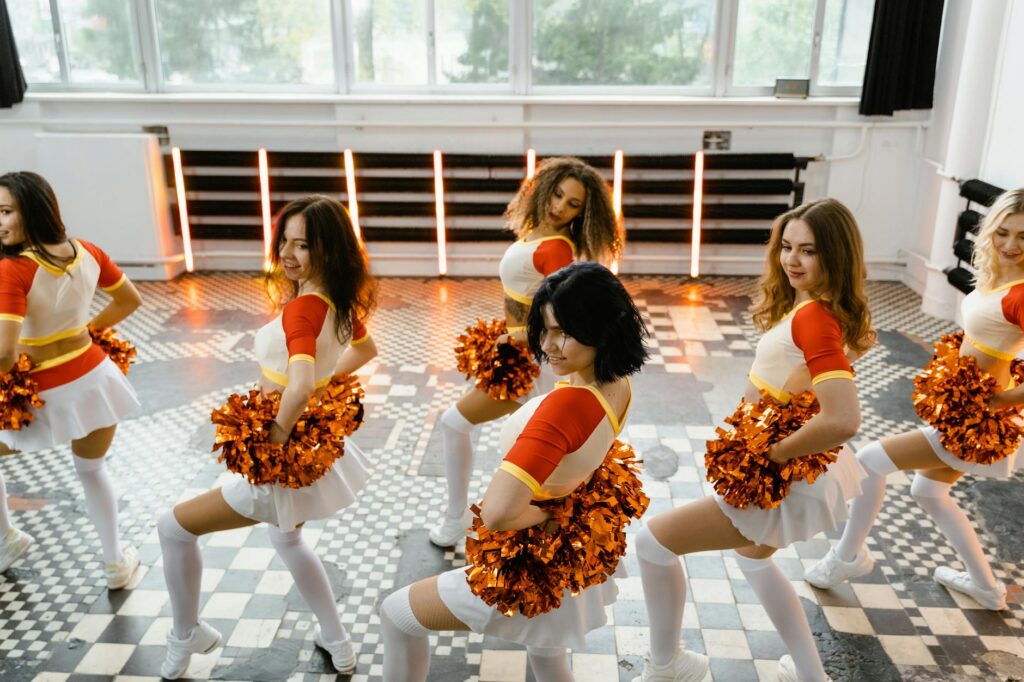
The Enduring Appeal of Films with Cheerleaders
The image of the cheerleader—energetic, popular, and quintbasically American—has long been a fixture in cinema. Yet, the narrative surrounding films with cheerleaders is far richer and more complex than simple pom-poms and pep rallies might suggest. These cinematic portrayals have evolved moving beyond shallow stereotypes to explore themes of ambition, rivalry, identity, and even social commentary. From the sharp wit of early teen comedies to the nuanced explorations of modern dramas, movies featuring cheerleading squads offer a compelling lens through which to view adolescent life and broader cultural shifts.
Last updated: April 22, 2026
Films featuring cheerleaders often serve as more than just entertainment. they can be powerful cultural artifacts that reflect and shape societal attitudes. They provide a platform for exploring intense competition, the pressures of social hierarchies, and the often-unseen dedication required to excel in a demanding activity. The enduring popularity of these films suggests a deep-seated fascination with the dynamics of these tightly-knit, high-stakes groups.
Beyond the Stereotype: What Makes Cheerleader Films Resonate?
At their core, many successful films with cheerleaders tap into universal themes of belonging, aspiration, and the challenges of navigating adolescence. While the surface-level appeal might be the dazzling routines and vibrant uniforms, the underlying narratives often explore the complexities of teamwork, the sting of defeat, and the triumph of overcoming adversity. These stories resonate because they mirror the struggles and triumphs experienced by viewers, regardless of their direct involvement with cheerleading.
The evolution of these films is especially striking. Early portrayals, like those in the 1979 film Dallas Cowboys Cheerleaders, often leaned into a more sensationalized or even exploitative view. However, as cinema progressed, so did the depth and authenticity of its characters and storylines. Movies began to acknowledge the athleticism involved and the significant commitment required, moving away from mere aesthetic representation.
The ‘Bring It On’ Phenomenon: A Cultural Touchstone
Few films have captured the spirit and complexity of competitive cheerleading quite like the Bring It On franchise. The original 2000 film, released by Universal Pictures, not only became a massive commercial success but also a cultural touchstone for a generation. As noted by The Washington Post (2025), the film, now celebrating its 25th anniversary, redefined the genre with its blend of sharp humor, relatable characters, and surprisingly intricate portrayal of cheerleading rivalries. Its success spawned numerous sequels, cementing its status as a beloved classic.
Bring It On succeeded by presenting cheerleading not just as a hobby but as a serious, high-stakes sport demanding immense skill, dedication, and strategic thinking. The film introduced the world to characters like Torrance Shipman and Missy Pantone — who battled against the formidable East Compton Clovers, led by the equally iconic Isis. The narrative explored themes of cultural appropriation and privilege, adding a layer of social commentary that elevated it beyond a typical teen comedy. E! News (2025) highlighted behind-the-scenes secrets that further illustrate the production’s commitment to capturing the intensity of the cheerleading world.
The film’s enduring legacy is evident in its continued relevance. As The Guardian (2025) mused, “I wanted to be one of them” perfectly encapsulates the aspirational quality of the film. It offered a vision of female empowerment, teamwork, and spirited competition that resonated deeply, making it a go-to “feel-good movie” for many.
From ‘Dallas Cowboys Cheerleaders’ to Modern Interpretations
The portrayal of cheerleaders in film has a longer history, with the 1979 film Dallas Cowboys Cheerleaders, starring Jane Seymour, being a notable early example. According to Texas Highways (2025), this film offered a glimpse into the lives of the iconic squad, albeit through a narrative that sometimes leaned into dramatization rather than pure sports documentary. It represented a significant moment in showcasing a professional cheerleading organization on screen.
However, the genre has since diversified. MovieMaker Magazine (2026) points to a broad spectrum of films that have used cheerleading as a backdrop or central theme, from comedies to dramas, each shaking things up in its own way. These films often serve as a proxy for exploring broader societal trends, from the anxieties of adolescence to the pressures of performance.
Queer Representation and Subversion in Cheer Films
Recent critical analyses have also highlighted the significant presence of queer and queer-coded characters within cheerleader narratives. Them.us (2026) celebrated “Our 21 Favorite Queer (and Queer-Coded) Onscreen Cheerleaders,” underscoring how these films, often unintentionally, provided visibility for LGBTQ+ individuals within popular media. Characters who might have seemed like simple antagonists or sidekicks often possessed a flair, confidence, or emotional depth that resonated with queer audiences.
This phenomenon of queer coding — imbuing characters with traits that suggest non-heterosexuality without explicit confirmation — allowed filmmakers to subtly nod to LGBTQ+ identities within the constraints of earlier censorship or societal norms. Conversely, more contemporary films have embraced explicit representation, offering authentic and empowering portrayals of queer cheerleaders. This evolution reflects a broader shift towards inclusivity in Hollywood.
The Athleticism and Dedication Behind the Routine
One of the most significant developments in the cinematic portrayal of cheerleading has been the increased recognition of its demanding athleticism. Films like Bring It On made a point of showcasing the complex stunts, rigorous training, and sheer physical endurance required. This counters the outdated perception of cheerleading as merely a sideline activity, presenting it instead as a legitimate and challenging sport.
The commitment involved extends beyond physical prowess. Cheerleading squads often operate as tight-knit communities, requiring immense dedication, discipline, and mental fortitude. Films that explore these aspects—the early morning practices, the strategic planning of routines, the pressure to perform flawlessly under intense scrutiny—offer a more complete and respectful representation of the activity and its participants.
Films That Pushed Boundaries
Beyond the mainstream successes, several films with cheerleaders have actively pushed boundaries, either through their thematic content or their stylistic approach. Some R-rated comedies, for instance, have taken a deliberately provocative stance, as mentioned by Giant Freakin Robot (2026) — which described one such film as taking “pleasure in offending everybody.” These films often use shock value and dark humor to comment on societal norms or satirize the very tropes associated with high school and cheerleading culture.
These boundary-pushing films, while perhaps not universally acclaimed, contribute to the diverse mix of cheerleader cinema. They demonstrate the flexibility of the genre, showing how the cheerleader archetype can be subverted, satirized, or used as a vehicle for more challenging or transgressive storytelling. Such films often spark debate and encourage a re-examination of what these characters and their narratives can represent.
The Cultural Impact and Legacy
The cultural footprint of films with cheerleaders is undeniable. They have influenced fashion, slang, and popular perceptions of high school life for decades. The iconic routines, catchphrases, and character archetypes have permeated pop culture, appearing in parodies, tributes, and everyday conversation. The sheer volume of content dedicated to cheerleading in film highlights its persistent appeal and its ability to capture the zeitgeist of various eras.
The enduring fascination with these films can also be attributed to their ability to evoke nostalgia. For many, they represent a quintessential vision of American youth culture, a mix of high drama, fierce competition, and undeniable spirit. Even films that were critical of certain aspects of cheerleading culture often ended up celebrating the underlying values of teamwork and perseverance.
Frequently Asked Questions
what’s the most iconic cheerleader movie of all time?
While subjective, the 2000 film Bring It On is widely considered the most iconic cheerleader movie. Its blend of humor, drama, and a surprisingly nuanced look at cheerleading competition, coupled with its lasting cultural impact and multiple sequels, solidifies its legendary status in the genre.
Are there any R-rated cheerleader movies?
Yes, there are R-rated cheerleader movies that often use the setting for more adult-oriented humor and themes. These films tend to push boundaries with raunchy content and satirical takes on high school and cheerleading tropes, offering a different perspective from more family-friendly fare.
How has the portrayal of cheerleaders in film changed over time?
The portrayal has evolved significantly. Early films often focused on superficial stereotypes, but later movies, especially since the late 1990s, have increasingly recognized cheerleading as a demanding sport, highlighting the athleticism, dedication, and complex social dynamics involved, while also offering more diverse and nuanced character representations.
Do films with cheerleaders explore LGBTQ+ themes?
Yes, many films with cheerleaders, both historically and currently, feature queer or queer-coded characters. Them.us has documented numerous instances where these characters, intentionally or not, provided representation and resonated with LGBTQ+ audiences, with modern films increasingly offering explicit and positive portrayals.
What makes cheerleader movies so appealing to audiences?
The appeal often lies in their exploration of universal themes like competition, friendship, rivalry, and the quest for belonging, set against the vibrant backdrop of cheerleading. They tap into adolescent anxieties and aspirations, offering both aspirational role models and relatable struggles, often with a dose of high-energy entertainment.
The Final Cheer: A Genre That Continues to Evolve
The world of films with cheerleaders has proven to be far more dynamic and impactful than initial assumptions might suggest. These movies, from the groundbreaking Bring It On to earlier explorations and contemporary queer-inclusive narratives, have consistently offered more than just spirited performances. They have provided commentary on social issues, celebrated athleticism, and explored the universal human experiences of ambition, teamwork, and identity. As cinema continues to evolve, it’s likely that the cheerleader genre will adapt, offering fresh perspectives and continuing to capture the attention of audiences worldwide.
For those looking to revisit these cinematic traditions or discover new facets of the genre, influential titles and understanding their cultural context offers a rewarding experience. The spirit, after all, is in the details.
Editorial Note: This article was researched and written by the Selam Xpress editorial team. We fact-check our content and update it regularly. For questions or corrections, contact us.