
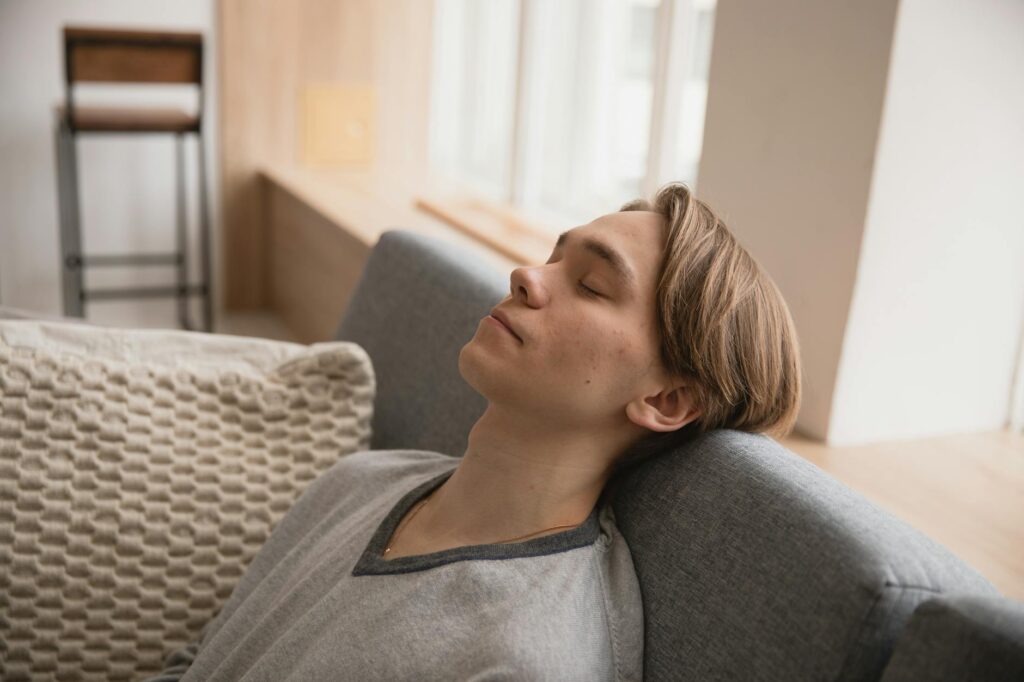
what’s ‘Lizard Time’ and Why You Need It
Imagine basking in the sun, feeling its warmth seep into your skin, and letting go of all your worries. This isn’t just idle daydreaming. it’s a deliberate practice known as ‘lizarding,’ or spending ‘lizard time.’ Inspired by how reptiles like lizards bask to regulate their body temperature and absorb energy, this concept encourages humans to intentionally seek out and absorb the benefits of sunlight for rejuvenation and stress relief. It’s about more than just getting a tan. it’s a mindful approach to reconnecting with nature’s most fundamental energy source.
Last updated: April 22, 2026
In our fast-paced world, we often rush through life, rarely pausing to appreciate the simple, restorative power of the sun. ‘Lizard time’ offers a counter-cultural antidote, a call to slow down, be present, and allow the sun’s energy to work its magic. This practice is gaining traction as people seek effective, natural ways to combat the pervasive stress and burnout of modern living.
The Science Behind Basking: How Sun Exposure Benefits Us
Sunlight is far more than just a source of light and heat. it’s a critical component for human health and well-being. The primary benefit often cited is the production of Vitamin D, a Key nutrient synthesized in the skin upon exposure to ultraviolet B (UVB) radiation. According to the National Institutes of Health (2023), Vitamin D plays a vital role in bone health, immune function, and mood regulation. Insufficient levels have been linked to various health issues, including seasonal affective disorder (SAD) and even certain chronic diseases.
Beyond Vitamin D, sunlight influences our circadian rhythms, helping to regulate sleep-wake cycles. Exposure to natural light, especially in the morning, signals to the brain that it’s time to be awake and alert, while darkness signals it’s time to rest. You can lead to improved sleep quality. Also, sunlight can boost serotonin levels, a neurotransmitter associated with feelings of happiness and well-being — which is why spending time outdoors on a sunny day can instantly lift your mood.
Common Misconceptions and Pitfalls of ‘Lizarding’
While the benefits of sun exposure are significant, the practice of ‘lizarding’ isn’t without its potential pitfalls. A common mistake is equating ‘lizard time’ with prolonged, unprotected sunbathing — which can lead to sunburn, premature aging of the skin, and an increased risk of skin cancer. The National Cancer Institute (2024) emphasizes that excessive UV radiation exposure is a primary cause of skin cancers, including melanoma.
Another misconception is that all sunlight is beneficial. While some UV radiation is needed for Vitamin D synthesis, overexposure to both UVA and UVB rays can be harmful. People also sometimes misunderstand the ‘mindful’ aspect of ‘lizarding,’ thinking it requires hours of inactivity. In reality, short, focused bursts of sun exposure can be just as effective and much safer. The key is balance and awareness, not simply prolonged exposure.
Art of Mindful Sun Exposure
To truly reap the benefits of ‘lizard time’ without the risks, a mindful approach is essential. This involves being intentional about your sun exposure, much like a lizard carefully positioning itself for optimal warmth. Start with shorter durations, perhaps 10-15 minutes at a time, and gradually increase as your skin tolerates it. Always pay attention to how your skin feels. redness is a clear sign you’ve had enough.
Keyly, ‘lizarding’ doesn’t mean ignoring sun safety. Using sunscreen with an appropriate SPF (Sun Protection Factor) is vital, especially for longer periods or when the UV index is high. Sunscreen helps protect against harmful UVB rays that cause sunburn and UVA rays that contribute to skin aging and cancer. Remember to reapply sunscreen every two hours, or more frequently if swimming or sweating. Protective clothing, hats, and sunglasses are also important tools for safe sun enjoyment.
Practical Tips for Your ‘Lizard Time’ Sessions
- Timing is Key: Aim for morning or late afternoon sun, when UV rays are generally less intense. Avoid the peak hours between 10 a.m. and 4 p.m.
- Find Your Spot: Choose a comfortable and safe location. This could be your backyard, a local park, a beach, or even a sunny windowsill. Ensure you have shade available if needed.
- Stay Hydrated: Drink plenty of water before, during, and after your sun exposure.
- Listen to Your Body: Pay attention to any signs of overheating or discomfort.
- Combine with Relaxation: Use this time for meditation, reading, listening to calming music, or simply observing your surroundings.
Beyond the Individual: ‘Lizarding’ in Public Spaces
The concept of ‘lizarding’ also extends to how we interact with public spaces. As explored in The Guardian (2019), humans, like lizards, often seek out sunny spots in public areas for comfort and energy. You can range from individuals finding a patch of sun on a park bench to groups congregating in open, light-filled plazas. Understanding this innate human behavior can help us design more inviting and functional public environments.
However, the use of public spaces can also highlight the need for balance. While finding a sunny spot to rest might be appealing, prolonged or disruptive sunbathing in shared areas might not be welcomed by everyone. The ‘lizarding’ impulse, when applied to public spaces, suggests a natural draw towards warmth and light, but it also necessitates consideration for the comfort and needs of others. It’s about finding that equilibrium between personal enjoyment and communal respect.
The Psychological Boost: Mood Enhancement and Stress Reduction
The psychological benefits of ‘lizard time’ are profound. The increase in serotonin and dopamine triggered by sunlight can improve mood, combat feelings of depression, and reduce anxiety. This mood-lifting effect is often immediate, providing a palpable sense of well-being. The simple act of stepping outside into the sun can be a powerful antidote to a stressful day.
Plus, the act of intentionally setting aside time for relaxation and self-care, as ‘lizarding’ encourages, can itself be a stress-reducing activity. It provides a mental break from daily pressures and allows for a moment of mindful presence. According to research cited by Psychology Today, serotonin plays a key role in mood, sleep, and appetite, and its levels can be influenced by light exposure.
Potential Risks and How to Mitigate Them
While we champion the benefits of ‘lizard time,’ it’s Key to address the risks associated with excessive UV exposure. Skin cancer remains a serious concern. The American Academy of Dermatology Association (AAD) recommends regular skin self-examinations and professional check-ups to detect any suspicious moles or skin changes early. They also advocate for using broad-spectrum sunscreen with an SPF of 30 or higher daily, even on cloudy days.
Beyond skin cancer, overexposure can lead to heatstroke, dehydration, and eye damage (like cataracts). To mitigate these risks:
- Limit Duration: Adhere to short, controlled periods of sun exposure.
- Seek Shade: Take breaks in shaded areas, especially during peak sun hours.
- Protect Eyes: Wear UV-blocking sunglasses.
- Cover Up: Use hats and lightweight, long-sleeved clothing when necessary.
- Stay Informed: Be aware of the daily UV index and adjust your exposure accordingly.
Lizarding as a Lifestyle Choice
Embracing ‘lizard time’ isn’t just about occasional sunbathing. it can be integrated into a broader lifestyle focused on wellness and mindful living. It encourages a greater appreciation for the natural world and our connection to it. This practice can be seen as a form of active meditation, a way to ground oneself in the present moment and draw energy from the environment.
Consider how integrating short ‘lizarding’ breaks throughout the week could transform your well-being. A 15-minute session during a lunch break, or a longer period on a weekend afternoon, can make a significant difference in combating fatigue and stress. It’s a simple, accessible tool for self-care that requires minimal resources but offers substantial rewards.
Frequently Asked Questions
what’s the primary benefit of ‘lizard time’?
The primary benefit of ‘lizard time’ is rejuvenation and stress reduction through mindful sun exposure — which helps regulate mood, improve sleep, and boost Vitamin D levels naturally.
How long should I spend in the sun for ‘lizard time’?
Start with short durations, around 10-15 minutes, and gradually increase based on your skin’s tolerance and the UV index. Always prioritize safety and listen to your body.
Can ‘lizarding’ help with seasonal affective disorder (SAD)?
Yes, increased exposure to natural sunlight, as practiced during ‘lizard time,’ can help regulate circadian rhythms and boost serotonin levels, potentially alleviating symptoms of SAD.
What are the risks of too much sun exposure?
Excessive sun exposure carries risks including sunburn, premature skin aging, heatstroke, dehydration, eye damage, and an increased risk of skin cancer, especially melanoma.
How can I practice ‘lizarding’ safely?
Practice ‘lizarding’ safely by limiting exposure time, using broad-spectrum sunscreen, wearing protective clothing and hats, seeking shade, staying hydrated, and being aware of the UV index.
Conclusion: Bask Wisely for a Healthier, Happier You
The practice of ‘lizarding,’ or intentional ‘lizard time,’ offers a powerful, natural pathway to enhanced well-being. By mindfully embracing the sun’s warmth, we can tap into its restorative energy to boost our mood, reduce stress, and support vital bodily functions. However, this practice demands respect for the sun’s power. safety must always be really important. By incorporating short, protected periods of sun exposure into your routine and remaining aware of potential risks, you can unlock the profound rejuvenating benefits that the sun offers, transforming your approach to self-care and your connection with the natural world.
Editorial Note: This article was researched and written by the Selam Xpress editorial team. We fact-check our content and update it regularly. For questions or corrections, contact us.