
Best Influencer Camera: Budget Picks That Deliver
Let’s cut to the chase: you don’t need a $3,000 camera to make it as an influencer. Honestly, most beginners blow way too much cash on gear they don’t even need. The real secret? Knowing how to find the best influencer camera that offers serious bang for your buck. I’ve seen countless creators get bogged down by expensive, overly complicated equipment, only to produce content that’s no better than someone using a solid mid-range option. This isn’t about chasing specs. it’s about smart choices that let your creativity flow without financial stress. We’re talking about cameras that deliver crisp video, decent audio capabilities, and reliability, all without making your wallet weep.
Last updated: April 18, 2026
So, if you’re ready to elevate your content without selling a kidney, stick around. We’ll dive into what actually matters when picking a camera for social media and highlight some fantastic, budget-friendly options that punch well above their weight.
Table of Contents
- Why Your First Influencer Camera Shouldn’t Cost a Fortune
- What Features REALLY Matter in a Budget Influencer Camera?
- Best Entry-Level Mirrorless Cameras for Influencers
- Compact Cameras That Punch Above Their Weight
- Can Your Smartphone Still Cut It?
- Essential Accessories That Won’t Break the Bank
- Frequently Asked Questions
Why Your First Influencer Camera Shouldn’t Cost a Fortune
You see those slick YouTube videos and perfectly polished Instagram Reels, and you probably assume the creator is wielding a camera that costs more than your rent. That’s rarely the case for new creators, and honestly, it’s often not even necessary. The best influencer camera is one that lets you create consistently and effectively. For beginners, focusing on value means you can invest in other Key areas, like lighting, audio, or even marketing. Spending $1,500 on a camera body when you haven’t figured out your niche or content strategy is a rookie mistake I’ve seen happen time and time again. Stick to a budget, nail the fundamentals, and upgrade later when you know what you need.
Consider this: the Sony ZV-E10, a popular choice for vloggers, often sits well within a reasonable budget, especially when bought as a kit. It delivers excellent image quality and features tailored for video creators. Or look at something like the Canon EOS M50 Mark II – a solid performer that’s frequently discounted. These cameras offer interchangeable lenses, good autofocus, and 4K video, ticking most of the boxes without the professional price tag. It’s about getting 80% of the results for 30% of the cost. That’s smart.
What Features REALLY Matter in a Budget Influencer Camera?
When you’re scanning specs for the best influencer camera, it’s easy to get lost. Forget megapixels and burst rates for a second. For video-first content, here’s what you should actually prioritize:
- Autofocus: Reliable, fast autofocus that tracks your face is non-negotiable. You don’t want your shots constantly hunting for focus.
- Video Resolution &. Frame Rates: 1080p (Full HD) is the minimum. 4K is great if your editing workflow can handle it, but good 1080p is better than bad 4K. 60fps (frames per second) is ideal for smooth motion or slow-motion effects.
- Flip-Out Screen: Essential for vlogging or filming yourself. You need to see what the camera sees!
- Microphone Input: Built-in camera mics are usually terrible. An external mic input is Key for decent audio quality.
- Image Stabilization: Whether in-body or digital, some form of stabilization helps smooth out shaky footage, especially if you’re moving around.
- Low-Light Performance: Social media content isn’t always shot in perfect studio lighting. A camera that handles dim conditions gracefully is a huge plus.
Thing is, many cameras under $700 nail these. Don’t be swayed by fancy features you’ll never use. For example, a super-high megapixel count is great for stills photographers, but for video, it’s less critical than good sensor performance and autofocus.
Best Entry-Level Mirrorless Cameras for Influencers
Mirrorless cameras are the sweet spot for many influencers because they offer interchangeable lenses, great image quality, and advanced video features in a relatively compact body. Here are a couple of budget-friendly gems:
Canon EOS M50 Mark II: This camera has been a go-to for vloggers for years, and for good reason. It shoots decent 4K (though with a crop), has Canon’s legendary Dual Pixel Autofocus, a fully articulating screen, and a user-friendly interface. It’s lightweight and feels great in hand for handheld shooting. While it uses Canon’s EF-M mount — which isn’t as extensive as others, there are enough good lenses available, and you can adapt others. It’s often on sale, making it a fantastic value.
Sony ZV-E10: Sony practically designed this camera for vloggers. It boasts an APS-C sensor for excellent image quality and shallow depth of field, a side-opening vari-angle screen, a directional mic built-in (though you’ll still want an external one), and Sony’s renowned autofocus system. It’s also part of the extensive E-mount system, giving you access to a vast range of native and third-party lenses. Its main drawback? No in-body stabilization, so you rely on lens stabilization or digital stabilization.
- Interchangeable lenses for creative flexibility
- Generally excellent image and video quality
- Advanced autofocus systems
- Compact and lightweight compared to DSLRs
- Can still be pricier than compacts or smartphones
- Lens costs can add up
- Battery life might require spares
Compact Cameras That Punch Above Their Weight
If interchangeable lenses feel like overkill or too much hassle, compact cameras offer a simpler, often more affordable, solution. They’re perfect for point-and-shoot convenience.
Sony ZV-1 / ZV-1F: These are fantastic compact options. The ZV-1 has a fixed lens but offers great image quality, super-fast autofocus, a flip-out screen, and features like Product Showcase (where the camera automatically shifts focus from your face to a product you’re holding). The ZV-1F is even more affordable, with a wider fixed lens, making it ideal for selfie-style vlogging in tighter spaces. Both have excellent built-in mics for their class and are incredibly user-friendly.
Canon PowerShot G7 X Mark III: This is another stalwart in the vlogging world. It offers a bright, versatile lens, good video quality, and a flip-up screen (not fully articulating — which is a slight downside for selfie filming, but it works). It also has a microphone jack and can even stream directly to YouTube. It’s a bit pricier than the Sony ZV-1F but offers more creative control.
Expert Tip: Don’t discount older models! Sometimes, a slightly older generation compact camera can be found at a steep discount and still offers more than enough quality for most social media platforms. Look for models released between 2019-2022.
Can Your Smartphone Still Cut It?
Honestly? For many, the answer is a resounding YES. Modern smartphones, especially flagship models from Apple (iPhone 15 Pro series) and Samsung (Galaxy S24 Ultra), have incredible cameras. They offer fantastic video quality, advanced computational photography features, and the convenience of having your editing suite and social media apps all in one device.
If you already own a recent high-end smartphone, I’d argue that investing in accessories like a gimbal, a good external microphone (like a Rode Wireless GO II), and some lighting might be a much smarter first step than buying a dedicated camera. You can shoot stunning 4K video, edit it on the go, and upload directly. The learning curve is often less steep, too.
When a dedicated camera makes sense over a phone:
- You need interchangeable lenses for specific looks (e.g., extreme bokeh, wide-angle without distortion).
- You frequently shoot in very low light and need better performance than your phone can offer.
- You need more control over manual settings for video.
- You require a physical microphone input and better audio control than phone adapters provide.
But for many TikToks, Reels, and even standard YouTube videos, a phone is perfectly capable. Don’t let anyone tell you otherwise.
Essential Accessories That Won’t Break the Bank
Once you’ve chosen your best influencer camera, don’t forget the supporting cast. These additions can dramatically improve your production value without costing a fortune.
External Microphone: As mentioned, built-in mics are usually subpar. For around $50-$100, you can get a decent lavalier mic (clips to your shirt) or a small shotgun mic that mounts on your camera. Brands like Rode, Comica, and Boya offer great budget options.
Tripod/Gimbal: A basic tripod is essential for stable shots. You can find decent ones for under $50. For smoother handheld shots or vlogging on the move, a smartphone gimbal is a major shift. While professional gimbals can be pricey, entry-level smartphone gimbals from brands like Ulanzi or DJI (Osmo Mobile SE) are surprisingly affordable and effective.
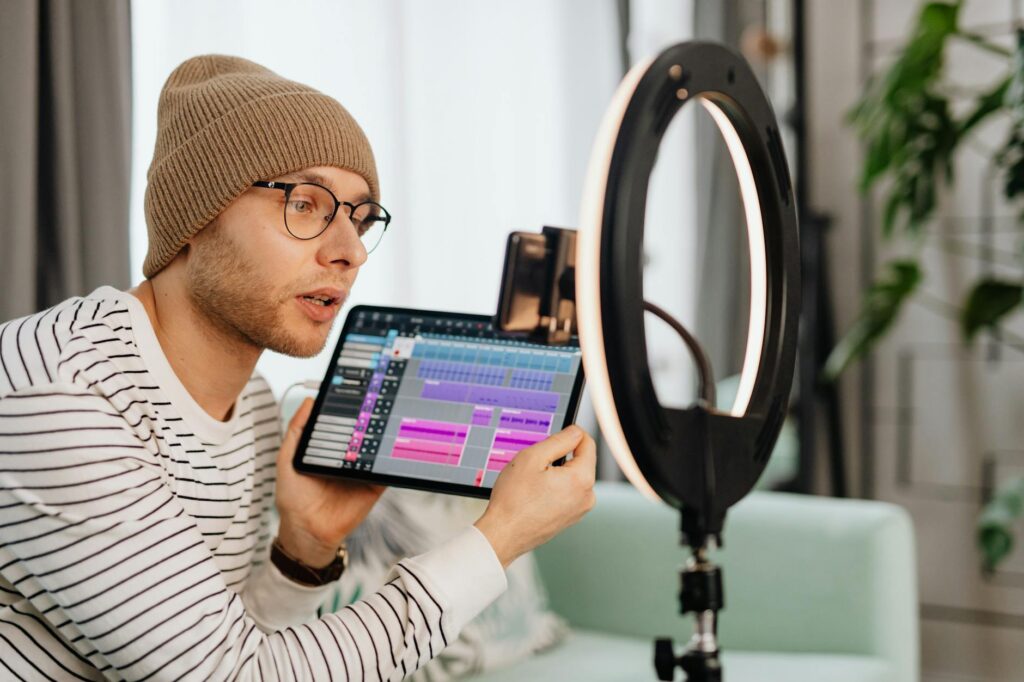
Lighting: Good lighting makes even budget cameras look amazing. A simple LED panel light (you can find decent ones for $30-$60) or even a ring light can make a world of difference. Natural light is free – use it whenever possible!
Extra Batteries &. SD Cards: You’ll inevitably run out of power or storage at the worst possible moment. Stock up on reliable SD cards (look for brands like SanDisk or Samsung) and at least one extra battery for your camera. Here’s a cheap insurance policy against missed content.
Important Note: When buying SD cards, always go for reputable brands. Cheap, unbranded cards are notorious for failing, leading to lost footage. Check your camera’s recommended card speed class!
Frequently Asked Questions
What’s the absolute cheapest camera I can use as an influencer?
The cheapest option is often your existing smartphone. If you need a dedicated camera, look for used entry-level mirrorless cameras like the Canon EOS M50 or Sony a6000 series, or compacts like the Sony ZV-1. You can often find these for under $400-$500 on platforms like eBay or local marketplaces.
Do I need 4K video for social media?
Not necessarily. While 4K offers more detail, most social media platforms compress video heavily. Excellent 1080p (Full HD) footage from a good camera or even a high-end smartphone is often perfectly sufficient and easier to edit.
What’s more important: camera or audio?
Audio is arguably more important than video quality. Viewers will tolerate slightly soft video, but they’ll click away instantly if the audio is bad, tinny, or full of background noise. Always prioritize getting a decent external microphone.
Which is better for influencers: DSLR or mirrorless?
Mirrorless cameras are generally preferred by influencers today. They tend to be smaller, lighter, have more advanced autofocus systems for video, and often include features In particular for content creators that DSLRs lack.
How much should I spend on my first influencer camera?
For your first dedicated camera, aim for the $500-$800 range for a new entry-level mirrorless or compact camera, or even less if buying used. A high-end smartphone can also be your primary tool, costing nothing extra if you already own one.
Bottom line: the best influencer camera for you isn’t about the price tag, it’s about smart choices and value. Focus on the features that matter for your specific content needs – reliable autofocus, good video quality, and essential ports like a microphone input. Whether you opt for an affordable mirrorless like the Sony ZV-E10, a compact vlogging camera, or even use your smartphone, you can create professional-looking content without emptying your savings. Invest wisely in your setup, prioritize audio and lighting, and let your creativity shine!
Source: Wired
Editorial Note: This article was researched and written by the Selam Xpress editorial team. We fact-check our content and update it regularly. For questions or corrections, contact us.