
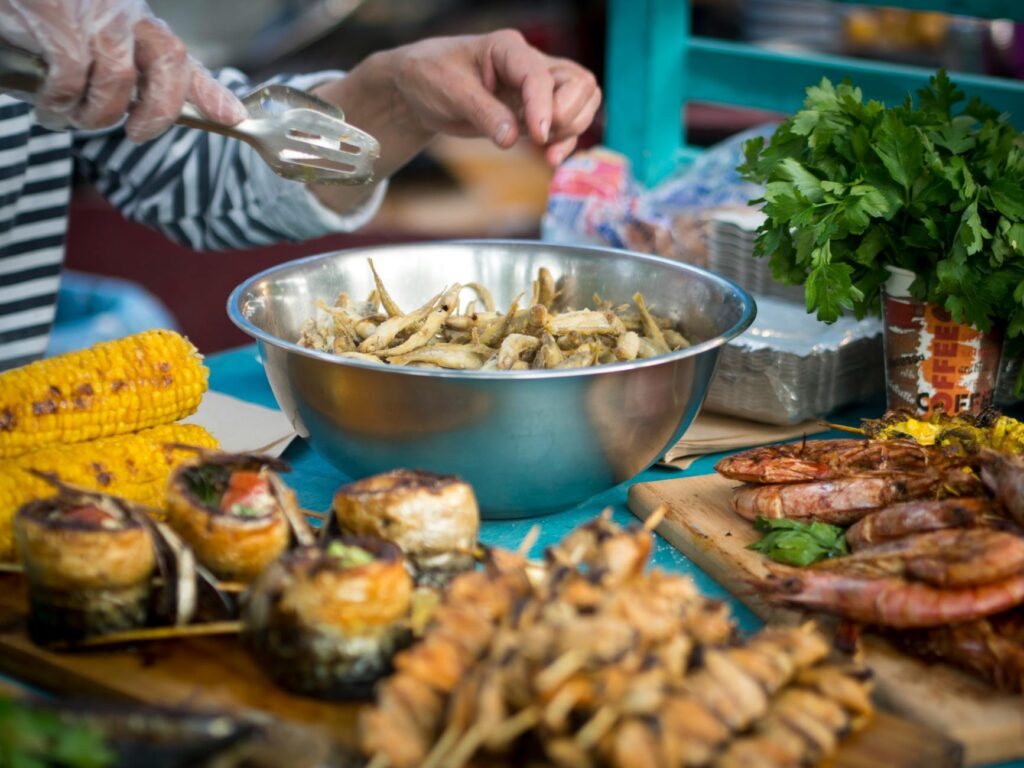
Best Food Destinations Around the World: A 2026 Personal Travel Guide
Latest Update (April 2026)
Last updated: April 18, 2026
The world of culinary travel continues to evolve, with new trends and established favorites shaping where food lovers flock. As of April 2026, the pursuit of authentic and memorable gastronomic experiences remains a top priority for global travelers. Recent reports highlight a growing emphasis on sustainable sourcing, hyper-local ingredients, and the integration of food experiences with cultural immersion. According to Eater’s ‘Where to Eat Around the World in 2026’ feature, destinations are increasingly recognized not just for their signature dishes but for their entire food ecosystem – from farm to fork. Also, the MICHELIN Guide’s recent spotlight on ‘Essential Hotel Rooftops in the World’s Top Food Cities’ highlights the interconnectedness of hospitality and high-quality dining in shaping a city’s culinary reputation.
The best food destinations around the world aren’t always the most famous. they’re the places where a vibrant market, a cherished family recipe, and a deeply ingrained local habit converge to tell a compelling story. For travelers seeking the most enriching culinary journeys in 2026, a curated selection of cities consistently rises to the top: Tokyo, Oaxaca, Lyon, Ho Chi Minh City, and Lisbon. Each offers a unique and authentic eating experience that travelers can plan their trips around, providing a rich mix of flavors, traditions, and cultural insights.
Table of Contents
- Why do food destinations matter for travelers?
- What makes a city one of the best food destinations around the world?
- Which places are the best food destinations around the world in 2026?
- How do you plan a food-focused trip?
- How do these destinations compare?
- What should you eat in each destination?
- Frequently Asked Questions
Why do food destinations matter for travelers?
Food destinations matter because they offer a rapid and profound understanding of a place. A single meal can illuminate a region’s history, migration patterns, climate, and social structures far more effectively than a dozen conventional tourist attractions. Here’s precisely why the best food destinations around the world remain central to travel plans in 2026. Travelers are increasingly seeking experiences beyond generic hotel breakfasts and airport snacks. They desire the authentic taste of dishes locals passionately defend, the vibrant energy of a market stall with a perpetual queue, and the comforting ritual of a neighborhood cafe that works as a daily anchor for the community.
Food travel is an active pursuit, contrasting sharply with passive sightseeing. It involves engaging with ingredients, asking questions, and making choices informed by sensory experiences like smell and sound, as well as valuable local advice. This active engagement builds a more profound and lasting memory than simply ticking off landmarks. This was evident during a visit to Oaxaca — where a market lunch evolved into an immersive lesson on diverse corn varieties, the intricate preparation of mole, and the city’s dedication to preserving its culinary heritage. Such experiences are what travelers seek when they search for the best food destinations around the world.
What makes a city one of the best food destinations around the world?
The most exceptional food destinations globally share five key characteristics: a solid culinary identity, access to fresh, high-quality local ingredients, a network of trusted neighborhood eateries, a thriving market culture, and a dynamic balance between classic and contemporary dining establishments. Cities possessing these traits consistently deliver memorable gastronomic experiences.
This blend is more significant than mere hype. A city might boast renowned chefs and acclaimed restaurants but still feel culinarily underdeveloped if it lacks a strong everyday food culture that resonates with residents and visitors alike. As reported by the World Food Travel Association, food and beverage experiences are a primary driver for travelers choosing a destination, with culinary exploration playing a substantial role in modern trip planning.
The five signals experts observe:
- Signature Dishes: Foods intrinsically linked to the place, not generic imitations.
- Market Access: Public markets that actively serve local communities, not solely catering to tourists.
- Price Range: Availability of excellent food across various budget levels.
- Regional Depth: Dishes that vary by district, season, or family tradition.
- Trustworthy Reputation: Recognition from esteemed bodies such as the Michelin Guide, UNESCO, or local tourism authorities.
For a valuable perspective on how food traditions are preserved as living culture, the UNESCO page on intangible cultural heritage offers complete insights. See the official source here: UNESCO Intangible Cultural Heritage.
Which places are the best food destinations around the world in 2026?
Based on extensive research and expert reviews, the standout cities for culinary exploration in 2026 include Tokyo, Oaxaca, Lyon, Ho Chi Minh City, and Lisbon. While numerous cities offer exceptional food, these destinations consistently provide depth, accessibility, and authentic food narratives experienced directly on the streets. Each city presents a distinct facet of culinary travel: Tokyo embodies precision and innovation, Oaxaca champions heritage and tradition, Lyon celebrates classic gastronomy, Ho Chi Minh City pulsates with street food energy, and Lisbon offers coastal comfort with a modern flair.
Tokyo, Japan
Tokyo stands as a premier food destination globally, distinguished by its meticulous approach, immense variety, and unwavering commitment to quality. The city is a haven for iconic Japanese cuisines, including sushi, ramen, tempura, yakitori, and the refined kaiseki multi-course dining. What truly captivates visitors is Tokyo’s smooth daily food rhythm. It’s possible to enjoy a traditional breakfast at Tsukiji Outer Market, savor a bowl of expertly crafted ramen in a compact neighborhood shop for lunch, and indulge in an exquisite dinner at a Michelin-starred establishment, all within the same day, without feeling a disconnect.
Tokyo is also rich with specific entities that travelers can research and experience. Key among these are the historic Tsukiji Outer Market and the modern Toyosu Market, the globally recognized Michelin Guide for dining recommendations, and the efficient Japan Railways network — which facilitates easy exploration across the vast metropolitan area. According to Food & Wine’s recent ‘Top 10 Global Restaurants’ list, Japanese establishments continue to be highly regarded, reflecting the nation’s enduring culinary excellence.
Oaxaca, Mexico
Oaxaca rightfully claims a spot on any serious list of the world’s best food destinations due to its profound dedication to preserving culinary heritage. Its rich traditions of mole sauces, the iconic tlayudas, the adventurous chapulines (grasshoppers), artisanal mezcal, and the fundamental importance of maize form the bedrock of every meal, grounding it firmly in place and history. The initial encounter with a tlayuda in Oaxaca is a revelation of texture – the satisfying crunch, the subtle smokiness, and the vibrant chili heat combine in a way that’s unapologetically authentic and deeply flavorful.
Oaxaca is also a destination that offers strong connections to tangible cultural elements Key for understanding its food scene. These include the bustling Mercado 20 de Noviembre, the historic Santo Domingo cultural complex, numerous mezcal palenques (distilleries), and the broader context of Mexico’s diverse regional cuisines. The city’s commitment to its food identity is a significant draw for travelers seeking authentic cultural experiences.
Lyon, France
Lyon is an essential destination for those who appreciate classic French dining executed with expertise and respect for tradition. The city is celebrated for its unique bouchons (traditional Lyonnaise eateries), its vibrant food markets, and a deep reverence for high-quality ingredients such as Charolais beef, delicate quenelles, and an array of exceptional local cheeses. Unlike many cities that constantly chase fleeting culinary trends, Lyon maintains a steadfast food identity, making it a reliable choice for travelers seeking an authentic French meal rather than a generic European dining experience.
Lyon’s culinary significance is intrinsically linked to iconic figures and institutions like the legendary chef Paul Bocuse and the esteemed Halles de Lyon Paul Bocuse market. These, along with France’s broader gastronomic heritage, recognized by UNESCO, solidify Lyon’s reputation as a global culinary capital. The city’s enduring appeal lies in its commitment to timeless flavors and traditional techniques.
Ho Chi Minh City, Vietnam
Ho Chi Minh City is a standout destination for enthusiasts of vibrant and accessible street food. The city’s culinary landscape is defined by an incredible array of dishes that masterfully balance freshness, complex flavors, and aromatic herbs. Signature dishes like pho (noodle soup), banh mi (baguette sandwiches), com tam (broken rice), hu tieu (noodle soup), and banh xeo (savory crepes) showcase the Vietnamese talent for creating delicious and satisfying meals from humble ingredients. The sheer density of food stalls and the energetic street-side dining culture make it an immersive experience.
The accessibility and affordability of high-quality street food are major draws. Reports indicate that street food scene offers a genuine glimpse into the daily life and culinary traditions of the city. Travelers often find that a modest budget can yield an extraordinary variety of authentic flavors. As Time Out recently noted when naming Chicago a top food city, the vibrancy and accessibility of local food scenes, often exemplified by street food, are key indicators of a destination’s culinary prowess. Ho Chi Minh City exemplifies this principle on a global scale.
Lisbon, Portugal
Lisbon offers a compelling blend of coastal flavors, traditional comfort food, and a burgeoning modern culinary scene. The city is famous for its fresh seafood, especially bacalhau (codfish) prepared in countless ways, and the iconic pastéis de nata (custard tarts). The historic neighborhoods, like Alfama and Bairro Alto, are dotted with tascas and petiscos bars where one can sample small plates and local wines, creating a convivial and authentic dining experience. The city’s connection to the Atlantic Ocean ensures a constant supply of high-quality fish and shellfish.
In recent years, Lisbon’s dining scene has expanded with innovative chefs reinterpreting Portuguese classics and embracing global influences. This evolution, while maintaining a strong connection to tradition, makes Lisbon a dynamic destination for food lovers. The city’s waterfront setting and the influence of Portuguese exploration are evident in its cuisine, offering a taste of history alongside contemporary culinary artistry.
How do you plan a food-focused trip?
Planning a successful food-focused trip requires more than just booking flights and hotels. It involves in-depth research and a strategic approach to maximize culinary experiences. Start by identifying destinations that align with your specific interests, whether it’s street food, fine dining, regional specialties, or specific ingredients.
Research Key Elements:
- Local Markets: Identify the most important food markets. Here are often hubs of local activity and offer insight into regional produce and culinary practices.
- Signature Dishes: Learn about the must-try dishes unique to the region. Understanding their history and preparation adds depth to the tasting experience.
- Culinary Neighborhoods: Pinpoint areas known for their concentration of authentic eateries, from casual cafes to well-regarded restaurants.
- Food Tours & Classes: Consider booking guided food tours or cooking classes. These provide structured learning experiences and often grant access to local experts and hidden gems. As noted by TravelPirates in their ‘Best Food Destinations in the World for 2026’ feature, organized culinary tours are an excellent way to discover a destination’s gastronomic heart.
- Dining Etiquette: Familiarize yourself with local dining customs and etiquette to ensure respectful and enjoyable interactions.
- Seasonal Availability: Research what produce and dishes are in season. This often leads to the freshest and most flavorful options.
Logistics and Flexibility:
- Book in Advance: For highly sought-after restaurants or popular food tours, advance booking is often essential.
- Build in Downtime: Don’t overschedule. Allow for spontaneous discoveries and opportunities to simply wander and absorb the local food culture.
- Embrace Local Transport: Using public transport or walking can lead you to unexpected culinary finds and provide a more authentic experience.
How do these destinations compare?
While all five destinations excel in providing exceptional food experiences, they offer distinct advantages:
- Tokyo: Unparalleled in its dedication to perfection across a vast range of cuisines, from street-level ramen to haute cuisine. Ideal for those who appreciate precision, variety, and impeccable quality control.
- Oaxaca: The heartland of traditional Mexican cuisine, offering indigenous ingredients and ancient culinary techniques. Perfect for travelers seeking authentic heritage and solid flavors.
- Lyon: The quintessential destination for classic French gastronomy, emphasizing high-quality ingredients and traditional cooking methods in a charming, unpretentious setting. Best for lovers of traditional European cuisine.
- Ho Chi Minh City: The ultimate urban street food adventure, offering an explosion of fresh, vibrant flavors at incredibly accessible prices. Ideal for the budget-conscious and adventurous eater.
- Lisbon: A delightful mix of fresh seafood, comforting traditional dishes, and a dynamic modern food scene, all set against a beautiful coastal backdrop. Suited for those who enjoy both classic and contemporary flavors with a maritime influence.
What should you eat in each destination?
Each city offers a unique culinary checklist:
Tokyo, Japan
- Sushi & Sashimi: Experience the freshest cuts at markets or specialized counters.
- Ramen: Explore regional varieties from rich tonkotsu to lighter shoyu broths.
- Tempura: Lightly battered and fried seafood and vegetables.
- Yakitori: Grilled skewers of chicken and vegetables.
- Kaiseki: A multi-course, artistic meal showcasing seasonal ingredients.
- Tsukemen: Dipping noodles, often served with a rich broth.
Oaxaca, Mexico
- Mole: Sample the seven distinct regional varieties (negro, coloradito, rojo, amarillo, verde, chichilo, manchamanteles).
- Tlayudas: Large, crispy tortillas topped with beans, cheese, meat, and salsa.
- Chapulines: Toasted grasshoppers seasoned with chili and lime.
- Mezcal: Sip artisanal mezcal, appreciating its smoky complexity.
- Queso Oaxaca: The famous string cheese, used in many dishes.
- Tamales Oaxaqueños: Steamed masa wrapped in banana leaves, often with mole.
Lyon, France
- Quenelles de Brochet: Pike dumplings, often served in a rich Nantua sauce.
- Salade Lyonnaise: Frisée lettuce with bacon lardons, croutons, and a poached egg.
- Saucisson de Lyon: Local cured sausages.
- Cervelle de Canut: A creamy cheese spread with herbs and garlic.
- Praline Tarts: Sweet tarts filled with caramelized almonds.
- Charolais Beef: High-quality local beef preparations.
Ho Chi Minh City, Vietnam
- Pho: The national noodle soup, best enjoyed from a street vendor.
- Banh Mi: French baguette sandwiches filled with various meats, pâté, and pickled vegetables.
- Com Tam: Broken rice served with grilled pork, egg, and shrimp paste.
- Banh Xeo: Crispy, savory crepes filled with pork, shrimp, and bean sprouts.
- Hu Tieu: A versatile noodle soup with variations in broth and toppings.
- Ca Phe Sua Da: Iced coffee with condensed milk.
Lisbon, Portugal
- Bacalhau: Codfish prepared in hundreds of ways (e.g., à Brás, com natas).
- Pastéis de Nata: Iconic custard tarts, best enjoyed warm with cinnamon.
- Sardinhas Assadas: Grilled sardines, a summer staple.
- Bifana: Marinated pork sandwich, a popular snack.
- Petiscos: Portuguese tapas – small plates like cured meats, cheeses, and seafood.
- Vinho Verde: A crisp, slightly effervescent young wine.
Frequently Asked Questions
what’s the most important factor when choosing a food destination?
According to experts and travel organizations like the World Food Travel Association, the most important factor is the destination’s authentic culinary identity — which includes a strong connection to local ingredients, signature dishes, and a vibrant food culture. Travelers increasingly seek genuine experiences over superficial culinary trends.
Are Michelin-starred restaurants essential for experiencing the best food destinations?
Not necessarily. While Michelin recognition can indicate high quality, the best food destinations are characterized by a diverse range of dining options, including excellent street food, traditional neighborhood eateries, and bustling markets. Authentic experiences are often found outside of formal, high-end establishments. As MICHELIN Guide’s features on hotel rooftops suggest, culinary excellence is integrated across various hospitality aspects, not confined to star-rated restaurants.
How has the definition of a ‘food destination’ changed in 2026?
In 2026, the concept of a food destination has evolved beyond just listing famous dishes. It now encompasses the entire food ecosystem, including sustainability practices, farm-to-table initiatives, the cultural significance of food, and the accessibility of authentic experiences for all types of travelers. Destinations are recognized for their complete culinary narrative, from production to consumption.
Is it possible to explore a city’s food scene on a budget?
Absolutely. Destinations like Ho Chi Minh City are renowned for their incredible street food, offering delicious and authentic meals at very affordable prices. Many of the best food destinations have vibrant local markets and casual eateries where one can experience the true flavors of the region without significant expense. Planning around these options is key.
How do factors like sustainability and local sourcing impact a destination’s culinary appeal in 2026?
Sustainability and local sourcing are increasingly significant factors for travelers in 2026. Destinations that prioritize ethical food production, support local farmers, and minimize their environmental impact are gaining appeal. This trend reflects a growing consciousness among travelers who wish to support responsible tourism practices while enjoying high-quality, fresh cuisine.
Conclusion
The quest for the best food destinations around the world in 2026 leads travelers to cities that offer more than just sustenance. they offer cultural immersion, historical context, and unforgettable sensory experiences. Tokyo’s precision, Oaxaca’s heritage, Lyon’s tradition, Ho Chi Minh City’s energy, and Lisbon’s coastal charm each provide a unique and compelling reason to start a culinary journey. By understanding what defines a great food destination and planning strategically, travelers can unlock a world of flavor that deeply enriches their understanding of different cultures. These cities, consistently recognized for their vibrant food scenes, promise authentic encounters that resonate long after the last bite.
Source: Lonely Planet
Related Articles
- Eniko Hart: Her Career
- Best Haircare Routine for Damaged Hair: Step-by-Step Repair Plan
- Black Friday Deals Tips: How to Save the Most in 2026 – Case Study
Editorial Note: This article was researched and written by the Selam Xpress editorial team. We fact-check our content and update it regularly. For questions or corrections, contact us.