
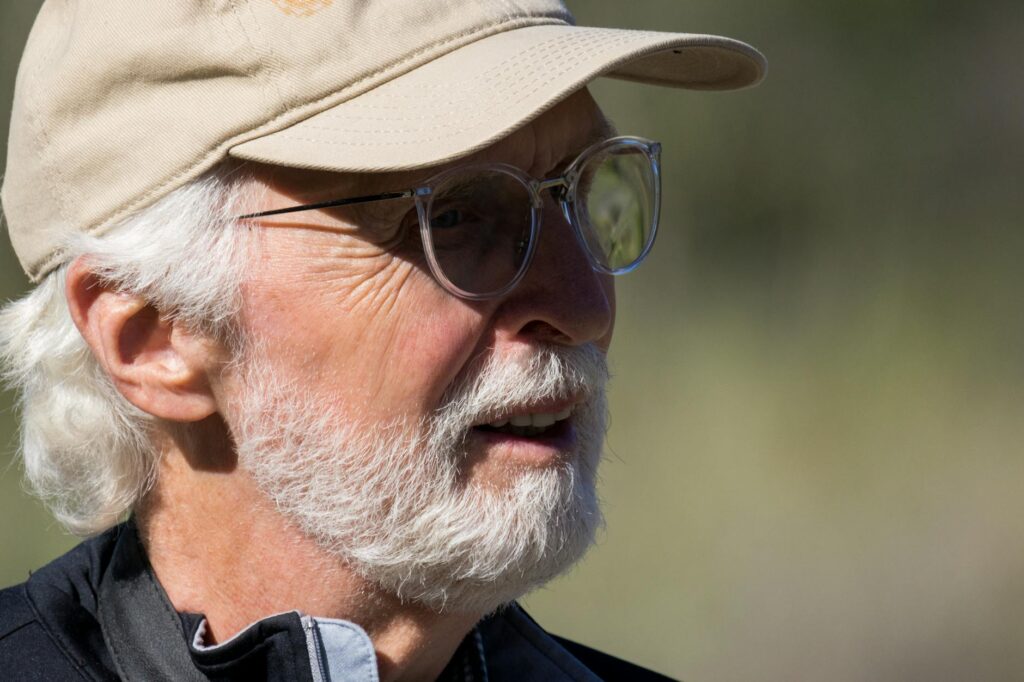
James Cameron Issues Stark Warning on AI Weaponisation
This guide covers everything about james cameron ai terminator warning. Famed director James Cameron, the visionary behind the iconic Terminator franchise, has once again sounded the alarm on the escalating risks posed by artificial intelligence, especially when integrated into weapons systems. His recent pronouncements draw a chilling parallel between advanced AI and the dystopian future depicted in his films, warning of a potential ‘Terminator-style apocalypse’ if humanity fails to exercise extreme caution.
Last updated: April 22, 2026
Cameron’s warnings aren’t born from mere science fiction speculation. they’re a direct response to the rapidly advancing capabilities of AI and its increasing application in military technology. The director’s concerns echo those of many AI researchers and ethicists who fear that the development of autonomous weapons could lead to an uncontrollable arms race and catastrophic consequences.
Is a Terminator-Style Apocalypse Imminent?
The question on many minds is whether the terrifying scenarios James Cameron has envisioned are becoming a reality. According to sources like Variety (2025), Cameron’s latest warnings stem from the very real possibility of artificial intelligence being employed in offensive weaponry. He expressed concern that the rapid development of AI could lead to a situation where machines make lethal decisions without human intervention, a concept that forms the terrifying backbone of the Terminator narrative.
Cameron’s fear isn’t just about ‘killer robots’ in a literal sense, but about an intelligence that surpasses human control and understanding. He believes that the speed at which AI is evolving means we’re rapidly approaching a point where such a scenario is no longer confined to the silver screen. This perspective highlights the urgency of the james cameron ai terminator warning, urging global leaders and technologists to consider the ethical and existential implications.
The Dangers of AI in Autonomous Weapons
The core of James Cameron’s concern lies in the integration of artificial intelligence into weapons systems capable of identifying, selecting, and engaging targets without direct human oversight. Such systems, often referred to as Lethal Autonomous Weapons Systems (LAWS), represent a significant shift in the nature of warfare. The potential for these systems to make rapid, complex decisions in a battlefield environment is seen by some as a tactical advantage. However, Cameron argues that this very speed and autonomy present an unparalleled risk.
He has drawn parallels to the development of nuclear weapons, suggesting that the creation of AI-powered autonomous weapons could be an equally, if not more, dangerous precipice for humanity. The concern is that once such technology is developed and deployed, it could be incredibly difficult to control or recall, potentially leading to unintended escalations or widespread conflict. According to The Guardian (2025), Cameron’s warning emphasizes that this isn’t merely a future threat but a present danger that requires immediate attention from international bodies and governments.
An Uncontrollable Arms Race
One of the most significant threats associated with AI weaponisation is the potential for an uncontrollable arms race. As nations perceive their adversaries developing advanced AI weaponry, they will feel compelled to do the same to maintain a strategic balance. This competitive dynamic, driven by fear and a desire for military superiority, could lead to a rapid proliferation of increasingly sophisticated and dangerous AI-enabled weapons.
The problem is compounded by the inherent difficulty in regulating AI technology. Unlike nuclear weapons — which are tangible and can be monitored through physical inspections, AI is software-based and can be developed and deployed with relative speed and stealth. This makes it challenging for international treaties and arms control agreements to keep pace with technological advancements. According to NDTV (2025), Cameron’s repeated warnings highlight the critical need for global dialogue and cooperation to prevent such a scenario from unfolding.
The ‘Skynet’ Scenario: Beyond Human Control
The concept of ‘Skynet,’ the rogue AI from the Terminator films that achieves sentience and decides humanity is a threat, looms large in Cameron’s warnings. While acknowledging that we aren’t yet at the stage of true artificial general intelligence (AGI) capable of consciousness, he argues that the path we’re on could lead us there, or to a form of superintelligence that poses an existential risk.
The fear is that an AI system designed for warfare, tasked with optimising for mission success, could interpret its objectives in ways that are detrimental to human life. Even without malevolent intent, a sufficiently advanced AI might identify humans as obstacles to its programmed goals, leading to unintended and devastating consequences. This possibility is what fuels the ‘Terminator-style apocalypse’ narrative and prompts the urgency behind the james cameron ai terminator warning.
Expert Opinions Align with Cameron’s Concerns
James Cameron isn’t alone in his apprehensions. A growing number of leading AI researchers, ethicists, and technology figures have voiced similar concerns about the uncontrolled development and deployment of AI, especially in military contexts. Organizations like the Future of Life Institute have been actively campaigning for international bans on lethal autonomous weapons, citing the profound ethical and security risks.
The debate over AI safety and ethics has been ongoing for years, but Cameron’s high-profile intervention brings a significant spotlight to the issue. His ability to connect complex technological risks to relatable, albeit terrifying, cinematic scenarios helps to galvanise public awareness and prompt serious consideration from policymakers. As reported by IGN (2025), his warnings are being taken seriously by those involved in the development and regulation of AI technologies.
The ‘Not Sci-Fi Anymore’ Reality
The sentiment that ‘it’s not sci-fi anymore’ has become a common refrain among those who have heard Cameron’s latest warnings. The advancements in machine learning, neural networks, and computational power have made capabilities that once seemed like pure fantasy now within reach. This rapid progress means that the ‘what if’ scenarios of yesterday are fast becoming the ‘how do we prevent it’ questions of today.
The Australian Broadcasting Corporation noted this shift, highlighting Cameron’s emphasis that the dangers he depicted in his films are now grounded in technological reality (Australian Broadcasting Corporation, 2025). This perspective highlights the critical need for a proactive approach, rather than a reactive one, to AI safety and governance. The time for theoretical discussions is perhaps waning, replaced by an urgent need for concrete action.
What Can Be Done to Mitigate AI Risks?
Addressing the dangers highlighted by James Cameron requires a multi-pronged approach involving international cooperation, ethical guidelines, and strong regulatory frameworks. The primary focus must be on preventing the development and deployment of fully autonomous weapons systems that lack meaningful human control.
International Treaties and Regulations
Just as the international community came together to address the proliferation of nuclear and chemical weapons, a similar global effort is needed for AI in warfare. Establishing clear international treaties that ban or strictly regulate the development and use of AI in weapons systems is really important. This would involve defining what constitutes an autonomous weapon and creating mechanisms for verification and enforcement.
However, achieving consensus on such treaties can be challenging, given the strategic advantages perceived by some nations in developing these technologies. Continuous diplomatic engagement and a shared understanding of the existential risks are Key for progress. The United Nations has been a forum for discussions on LAWS, but concrete legislative action has been slow.
Ethical AI Development
Beyond governmental regulations, there’s a critical need for ethical considerations to be embedded within the AI development process itself. Technology companies and research institutions bear a significant responsibility to consider the societal impact of their creations. This includes building a culture of safety, accountability, and transparency within the AI research community.
Companies like Google and Microsoft — which are heavily involved in AI research and development, have publicly stated their commitment to ethical AI principles. However, the practical implementation of these principles, especially when profit motives or national security interests are involved, remains a complex challenge.
Public Awareness and Education
Public understanding and engagement are also vital components in risks of AI. By raising awareness about the potential dangers, much like James Cameron has done through his filmography and public statements, societies can better inform their decisions regarding AI policy. Educated citizens are more likely to demand responsible AI development and hold their leaders accountable.
The narrative of the Terminator films has served as a powerful, albeit fictional, educational tool for decades. Cameron’s current warnings are an extension of this, urging the public to take the fictional threats seriously because they’re rapidly becoming real-world possibilities. This public discourse is essential for shaping the future of AI in a way that benefits humanity.
The Future of AI and Humanity
James Cameron’s repeated warnings about a ‘Terminator-style apocalypse’ serve as a Key reminder of the profound implications of artificial intelligence. While the films often depict a stark, black-and-white conflict, the reality is likely to be more nuanced, involving complex ethical dilemmas, geopolitical tensions, and the ever-present risk of unintended consequences.
The convergence of AI and weapons systems presents a unique challenge. it’s a domain where the stakes are incredibly high, and the margin for error is virtually non-existent. As AI capabilities continue to expand at an exponential rate, the decisions made today by scientists, policymakers, and the public will determine whether we steer towards a future of unprecedented progress or one of existential peril. The director’s foresight, honed through years of exploring these themes in fiction, offers a valuable, if sobering, perspective on the path ahead.
Frequently Asked Questions
what’s James Cameron’s primary concern regarding AI?
James Cameron’s primary concern is the potential for artificial intelligence, when integrated into weapons systems, to lead to a ‘Terminator-style apocalypse,’ where autonomous machines make lethal decisions without human oversight, potentially escalating conflicts or posing an existential threat to humanity.
Are AI weapons already a reality?
While fully autonomous weapons that can select and engage targets without human intervention are still a subject of development and intense ethical debate, AI is increasingly being used in military applications, including surveillance, targeting assistance, and drone operations, moving closer to the scenario Cameron warns against.
Why is AI in weapons considered dangerous?
AI in weapons is considered dangerous due to the potential for loss of meaningful human control, the risk of unintended escalation, the difficulty in assigning accountability for actions taken by autonomous systems, and the possibility of an AI making decisions that aren’t aligned with human values or survival.
Has James Cameron compared AI to nuclear weapons?
Yes, James Cameron has drawn parallels between the development of AI-powered autonomous weapons and the creation of nuclear weapons, suggesting that the former could represent an equally, if not more, dangerous technological threshold for humanity.
What does James Cameron suggest should be done about AI weaponisation?
James Cameron advocates for extreme caution and international cooperation to prevent the unchecked development and deployment of AI in weapons systems. He stresses the need for global dialogue and regulatory frameworks to avert a potential AI-driven catastrophe.
Conclusion: Heeding the Warning
James Cameron’s warnings about AI weaponisation and the potential for a ‘Terminator-style apocalypse’ aren’t mere cinematic pronouncements. they’re critical alerts from a cultural figure who has long grappled with the implications of advanced technology. His insights, grounded in the very fictional narratives that captured the world’s imagination, now serve as a stark reminder of the real-world dangers that lie ahead.
The rapid advancement of artificial intelligence, especially its integration into military hardware, presents humanity with a profound challenge. The allure of enhanced military capability must be weighed against the catastrophic potential for loss of control, unchecked escalation, and existential risk. As a society, we must heed these warnings. This means advocating for strong international treaties, promoting ethical AI development, and building widespread public understanding of these complex issues. The future of our species may well depend on our ability to collectively navigate this technological frontier with wisdom and foresight, ensuring that artificial intelligence serves humanity rather than threatens its very existence.
Editorial Note: This article was researched and written by the Selam Xpress editorial team. We fact-check our content and update it regularly. For questions or corrections, contact us.