Meal Prep Ideas for Weight Loss 2026: Smart Strategies
Transforming your eating habits for sustainable weight loss in 2026 starts with strategic meal preparation. This isn’t about restrictive diets; it’s about intelligent planning that aligns with your busy life, ensuring you have nutritious, satisfying meals ready when hunger strikes, preventing impulsive, less healthy choices. By focusing on nutrient density and mindful portioning, you can create a powerful foundation for achieving your weight loss goals this year.
Table of Contents
- What Are the Core Principles of Effective Weight Loss Meal Prep in 2026?
- How Can I Create a Sustainable Meal Prep Schedule for Weight Loss?
- What Are the Best Nutrient-Dense Meal Prep Formulas for Weight Loss?
- Are There Specific Kitchen Tools That Enhance Weight Loss Meal Prep Efficiency?
- How Do I Adapt Meal Prep for Weight Loss with Dietary Restrictions?
- What Are Common Pitfalls to Avoid with Weight Loss Meal Prep in 2026?
What Are the Core Principles of Effective Weight Loss Meal Prep in 2026?
Effective weight loss meal prep in 2026 centers on strategic planning, ingredient selection, and efficient preparation to support a caloric deficit while maximizing nutrient intake. It requires a shift from reactive eating to proactive nutrition, ensuring balanced macronutrients and high fiber content to promote satiety and stable energy levels. The goal is to make healthy eating the easiest option, not a chore.
In 2026, the focus is less on extreme calorie restriction and more on metabolic health and sustainable habits. This means prioritizing whole, unprocessed foods that are naturally lower in calories but high in volume and nutrients. Think lean proteins, abundant vegetables, and complex carbohydrates. The strategy involves batch cooking components rather than full meals, allowing for greater variety throughout the week. For instance, cooking a large batch of quinoa or roasting a tray of mixed vegetables on Sunday can be used in multiple different dishes by Tuesday.
How Can I Create a Sustainable Meal Prep Schedule for Weight Loss?
Building a sustainable meal prep schedule involves understanding your weekly rhythm and dedicating specific, manageable time blocks. Start by assessing your availability; perhaps one longer session on a weekend day and shorter prep tasks on a weeknight. Consistency is key, even if it’s just preparing a few lunches or dinners initially.
My personal experience has shown that dedicating 2-3 hours on a Sunday afternoon is highly effective. I typically start by washing and chopping vegetables for the week, then I cook a large batch of lean protein, like chicken breast or lentils, and a complex carbohydrate such as brown rice or sweet potatoes. This forms the base for several meals. For example, cooked chicken can become part of a salad, a stir-fry, or a wrap. This modular approach prevents food boredom and makes adapting meals on the fly much simpler. Many find success using apps like Mealime or PlateJoy to generate shopping lists and recipes tailored to their caloric needs.
What Are the Best Nutrient-Dense Meal Prep Formulas for Weight Loss?
The ideal meal prep formulas for weight loss in 2026 emphasize high protein and fiber content to promote fullness and manage hunger effectively. These formulas ensure you consume fewer calories overall without feeling deprived.
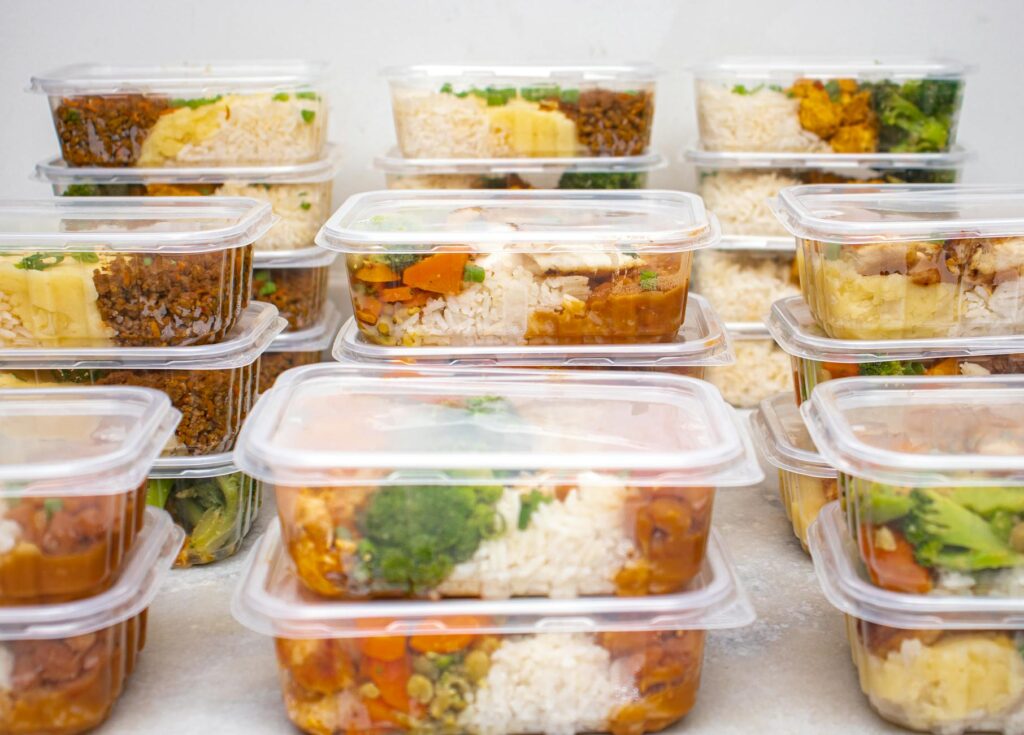
A foundational formula involves a lean protein source (e.g., grilled chicken, baked salmon, tofu, black beans), a generous portion of non-starchy vegetables (e.g., broccoli, spinach, bell peppers, zucchini), and a controlled serving of complex carbohydrates (e.g., quinoa, sweet potato, whole wheat pasta). Healthy fats, like avocado or nuts, should be included in moderation. This balanced approach supports satiety and provides essential nutrients. For instance, a meal could consist of baked salmon with roasted asparagus and a small portion of quinoa. Another variation might be a lentil soup packed with vegetables, served with a side salad.
| Meal Component | Weight Loss Focus (2026) | Example Options |
|---|---|---|
| Lean Protein | High satiety, muscle support | Chicken breast, turkey, fish, tofu, tempeh, lentils, beans |
| Non-Starchy Vegetables | High fiber, volume, micronutrients | Broccoli, spinach, kale, bell peppers, zucchini, cauliflower, asparagus |
| Complex Carbohydrates | Sustained energy, fiber | Quinoa, brown rice, sweet potato, oats, whole grain bread |
| Healthy Fats | Satiety, hormone production (portion controlled) | Avocado, nuts, seeds, olive oil |
Are There Specific Kitchen Tools That Enhance Weight Loss Meal Prep Efficiency?
Certain kitchen tools can significantly streamline the meal prep process for weight loss, saving you time and effort. Investing in a few key items can make a substantial difference in your consistency and enjoyment of meal prepping.
Essential tools include high-quality food storage containers, preferably BPA-free and microwave/dishwasher safe, like those from OXO or Pyrex. An immersion blender is fantastic for quickly making soups or sauces. A mandoline slicer (used with caution!) can chop vegetables uniformly in seconds. An Instant Pot or a slow cooker allows for hands-off cooking of proteins and grains. For those serious about portion control, a digital food scale is invaluable. I personally find that having a set of sharp chef’s knives and a good cutting board makes the entire chopping process more enjoyable and efficient. The organization these tools bring is paramount to successful meal prep.
How Do I Adapt Meal Prep for Weight Loss with Dietary Restrictions?
Adapting meal prep for weight loss with dietary restrictions, such as gluten-free, dairy-free, vegetarian, or vegan diets, requires careful ingredient substitution and planning to ensure nutritional completeness and satiety.
For gluten-free needs, swap traditional grains for quinoa, brown rice, or gluten-free oats. Ensure sauces and marinades are gluten-free. For dairy-free, use plant-based milks (almond, soy, oat) and yogurts, and opt for nutritional yeast for a cheesy flavor. Vegetarians and vegans can rely on beans, lentils, tofu, tempeh, and seitan for protein. When adapting, always check that your substitutions still provide adequate protein and essential nutrients like B12 and iron. For example, a vegan meal prep could be a hearty lentil shepherd’s pie with a cauliflower mash topping, ensuring sufficient protein and fiber. The University of Michigan’s School of Public Health offers extensive resources on plant-based nutrition that can be helpful.
The average American consumes about 3,400 calories per day, significantly higher than the recommended intake, highlighting the need for portion-controlled, planned meals. (Source: CDC, 2022)
What Are Common Pitfalls to Avoid with Weight Loss Meal Prep in 2026?
Several common pitfalls can derail even the best intentions when it comes to weight loss meal prep. Recognizing and actively avoiding these can significantly improve your success rate.
One major pitfall is over-prepping or under-prepping. Over-prepping can lead to food fatigue, where you get tired of eating the same few meals. Under-prepping means you might not have enough food ready, leading to last-minute unhealthy choices. Another mistake is not accounting for snacks; preparing healthy snacks like hard-boiled eggs, Greek yogurt, or a handful of almonds can prevent grazing on less nutritious options. Also, neglecting hydration is a common error; ensure you’re drinking enough water throughout the day, as thirst can often be mistaken for hunger. Finally, failing to plan for variety can lead to burnout. Aim to rotate your core recipes every 2-3 weeks. A common mistake I see is people prepping complex meals that take too long, leading to giving up entirely. Keep it simple, especially when starting.
Frequently Asked Questions
What is the best way to start meal prepping for weight loss?
Start small by prepping just a few meals or snacks per week. Focus on simple recipes and batch cooking staple ingredients like grains and proteins. Gradually increase the volume as you build confidence and a routine.
How much protein should I include in my weight loss meal prep?
Aim for a lean protein source at every meal. A general guideline is 20-30 grams of protein per meal to promote satiety and preserve muscle mass during weight loss.
Can meal prepping help with cravings?
Yes, meal prepping helps manage cravings by ensuring you always have healthy, satisfying options available. When you’re not hungry and have nutritious food ready, you’re less likely to reach for high-sugar or high-fat comfort foods.
How long does prepped food last in the refrigerator?
Most prepped meals and components can be safely stored in the refrigerator for 3-4 days. For longer storage, consider freezing portions of meals or ingredients.
Is it better to prep full meals or components?
Both have benefits. Prepping full meals is convenient for grab-and-go. Prepping components (like cooked grains, chopped veggies, and protein) offers more flexibility to mix and match for variety.
By implementing these smart meal prep ideas for weight loss in 2026, you’re not just planning meals; you’re building a sustainable lifestyle. Focus on nutrient-dense foods, consistent planning, and adaptability. Start today and experience the difference strategic preparation can make in your weight loss journey. What will you prep first?